
Over the last five years, Trailnet has released an annual Crash Report that highlights the hazards pedestrians and cyclists encounter on St. Louis streets. Starting in the city in 2020 and expanding to St. Louis County in 2021, this yearly publication pinpoints hazardous areas and tracks injury and fatality patterns.
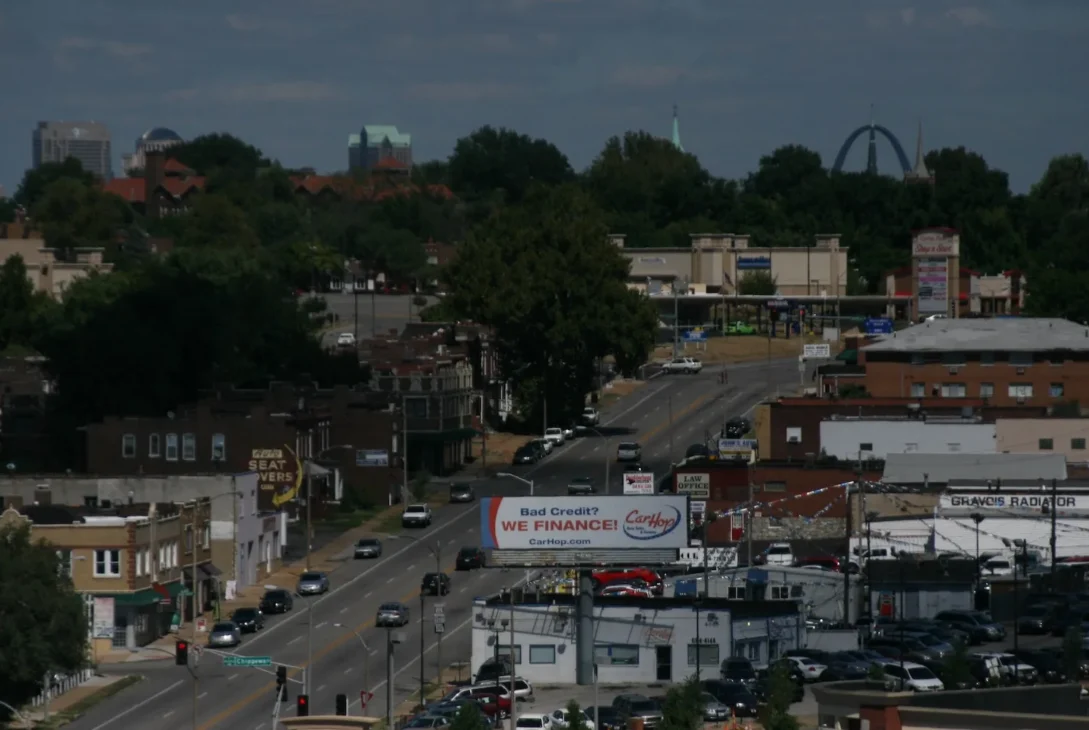
Released this morning, the 2025 report continues this mission. For those curious about the specifics, the most perilous corridors for pedestrians and cyclists in 2025 were Gravois Avenue in the city (with Grand Avenue coming in second) and Lindbergh Boulevard in the county (with Chambers Road in second place).
Discover fresh perspectives on today’s biggest stories
We guarantee no spam or bothersome messages. You can unsubscribe at any time.
The report also offers a broader perspective. Renamed “The State of Our Streets,” it goes beyond reporting problems to showcase the infrastructure improvements local governments are implementing to reduce vehicle speeds and improve safety for all road users. This includes the City of St. Louis, where Trailnet details $46 million in traffic-calming initiatives funded through American Rescue Plan Act money, as well as regional efforts supported by new MoDOT strategies.
MoDOT has historically overseen major thoroughfares across the city and county. In 2024, according to Trailnet CEO Cindy Mense, the agency released a “Blueprint for Arterials” containing recommendations for protected intersections and traffic calming—a major shift in how major roads are designed throughout the region. This change has prompted Trailnet to move from simply reporting crashes to highlighting positive developments. “We’re pleased to witness this progress,” notes Mense.
Key accomplishments for 2025 include:
- St. Louis County awarded federal funding to 95 projects that included bicycle or pedestrian safety features.
- Thirty miles of high-crash arterial streets in the city underwent ARPA-supported traffic calming construction.
- The city added 5 miles of bike lanes, protected cycling tracks, and greenway pathways.
Progress, however, often comes with setbacks. MoDOT removed traffic-calming bumpouts on Clarkson Road in Chesterfield following resident complaints. A proposed roundabout in the Oakville area of South County was cancelled due to neighborhood opposition. Recently in the city, some bumpouts were removed from a downtown block when they caused traffic congestion following a Cardinals game.
Mense emphasizes that cases like the Clarkson Road situation underscore the need to educate drivers. “Our priority is shifting how people view streets,” she explains. “Transportation works as a system, and that system has let down vulnerable road users.”
On the negative side, cyclist crashes increased in the city. Though pedestrian fatalities and injuries dropped, the report notes that “2025 recorded a sharp rise in bicycle-related crashes, with three cyclists killed.” This marks a reversal after two years without cyclist fatalities.
In the county, pedestrian deaths decreased, but cyclist deaths rose from zero in 2024 to two in 2025. Both pedestrian-involved accidents and injuries went up.
Mense believes the traffic-calming infrastructure being installed in 2025 and 2026 will eventually reduce these numbers. “Perhaps one bumpout feels inconvenient to you, but working alongside a no-right-on-red rule and reduced speed limits, they create a combined effect. They work together to slow traffic and make pedestrians, cyclists, and wheelchair users more noticeable. I trust that when residents see their streets transform, they’ll understand we’re prioritizing safety for everyone.”
Bicycle infrastructure demonstrates visible progress, as noted in the report. Combined, the city and county now feature 724 miles of bike-friendly infrastructure, with 155 miles running alongside streets (separate from off-street paths and trails). This number continues to grow steadily—though Trailnet notes many roads lack sufficient cyclist protection.
“Painted lane markings and signage by themselves don’t typically constitute legitimate bike facilities and usually aren’t adequate for establishing a safe, stress-free cycling experience on busier or faster roads,” the authors state. “However, these markings demonstrate growing community interest in protected biking routes, paving the way for better quality protective infrastructure including cycle tracks, bike boulevards, and off-street options.”